Bangladesh's Garment Industry After LDC Graduation: A Buyer's Guide
On November 24, 2026, Bangladesh officially exits the United Nations' Least Developed Country category — a graduation that reflects decades of real economic progress, and one that changes the terms international buyers have relied on for years. If you source from Bangladesh, this is the trend that actually matters right now, more than any generic "industry is growing" commentary.
What's Actually Changing
Roughly three-quarters of Bangladesh's exports currently enter major markets duty-free under LDC trade preferences, most significantly the EU's Everything But Arms scheme. Once those preferences lapse, tariffs on Bangladeshi apparel are expected to land in the 9-12% range in the EU, with steeper rates in some other markets. Industry estimates put the potential annual export impact at several billion dollars if buyers and manufacturers don't adjust.
The good news for anyone sourcing right now: this isn't a cliff-edge change. The EU and several other major markets have built in multi-year transition periods, meaning current trade terms largely hold through roughly 2029 before standard-tariff rates fully apply. That gives buyers real runway to plan rather than react.
Why the Fundamentals Still Hold
Tariffs are a real cost pressure, but they don't erase the structural reasons buyers chose Bangladesh in the first place:
Labor cost advantage — Bangladesh's wage base remains among the lowest globally for apparel manufacturing, and that gap over competitors like Vietnam, China, and Turkey is structural, not a preference-driven artifact that disappears with LDC status.
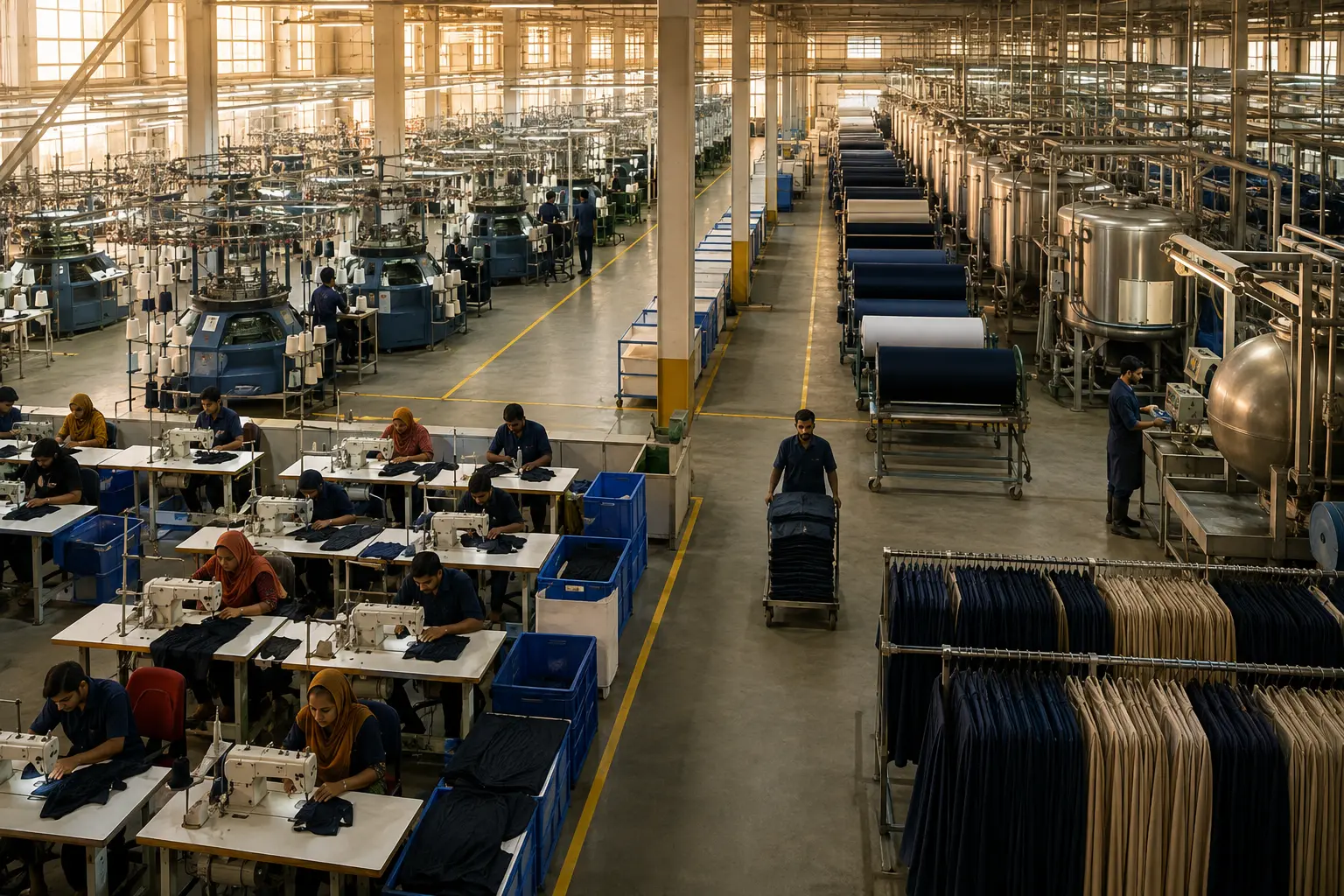
Scale and supply chain depth — thousands of export-oriented factories and a yarn-to-finished-garment supply chain depth that's difficult to replicate quickly elsewhere at volume.
Compliance infrastructure — Bangladesh already carries one of the highest concentrations of BSCI, WRAP, Sedex, GOTS, OEKO-TEX, and GRS certified factories in Asia, which matters increasingly for buyers under their own retail customers' CSR and due-diligence requirements.
What This Means for Your Sourcing Decisions
Model your actual tariff exposure now. Map which of your product categories currently rely on LDC-linked duty-free access, and calculate what a 9-12% tariff does to your landed cost and margins before the transition window closes.
Revisit supplier compliance credentials. Post-graduation trade frameworks (like GSP+) typically carry stricter labor, environmental, and governance requirements than LDC-era terms did. Manufacturers with certifications already in place will be easier to work with under the new rules; those without will need remediation time you may not want to absorb mid-order.
Don't assume the calculus is the same everywhere. Tariff impact varies by destination market and product category — a knitwear order bound for the EU faces different exposure than a woven order to a market without a transition grace period.
Treat 2026-2029 as a planning window, not a deadline to panic over. Buyers who use this transition period to lock in compliant, scalable manufacturing relationships will be better positioned than those who wait until standard tariffs are fully in effect to react.
Where This Leaves Warptex's Buyers
Warptex's certifications — WRAP, BSCI, Sedex, GOTS, OEKO-TEX, ISO 9001:2015, GRS, and ZDHC — already meet the compliance bar that post-graduation trade frameworks are pushing the industry toward, which means buyers working with us aren't starting a remediation process from scratch as the transition unfolds. If you're reassessing your Bangladesh sourcing strategy ahead of 2029, this is the right time to have that conversation. [Explore our compliance standards →] [Get in touch →]